Sustainability
MetSol’s advanced technologies support responsible, low‑carbon aluminium production by improving energy efficiency, reducing emissions, and strengthening ESG performance in primary aluminium smelters.
Climate and carbon performance
MetSol solutions directly lower carbon intensity through three core process mechanisms — targeting both operational emissions and energy-related carbon output.
Support for Green Aluminium and ESG reporting
MetSol’s systems are designed to support Green Aluminium production and more robust ESG reporting — providing the measurable data that buyers, certifiers, and regulators require.
MetSol combines efficiency gains with lower emissions to support credible Green Aluminium production. By reducing both energy use and process-related emissions simultaneously, smelters can meet the quantitative requirements of green product certification and low-carbon supply chain commitments.
Measurable improvements in current efficiency, energy consumption, pot stability, and emissions performance provide the data foundation for robust ESG disclosure. MetSol results are generated through independent and site-based trials, giving smelters verifiable numbers for climate-related and governance reporting.
Independent and site‑based trials
Tangible contributions to ESG objectives — verified in the field.
These results translate into measurable contributions to environmental, social, and governance objectives — including climate‑related targets and long-term operational efficiency improvements.
Sustainable upgrades without major rebuilds
MetSol provides better environmental performance without requiring structural rebuilds or major capital expenditure — each technology designed for retrofit installation on existing potlines.
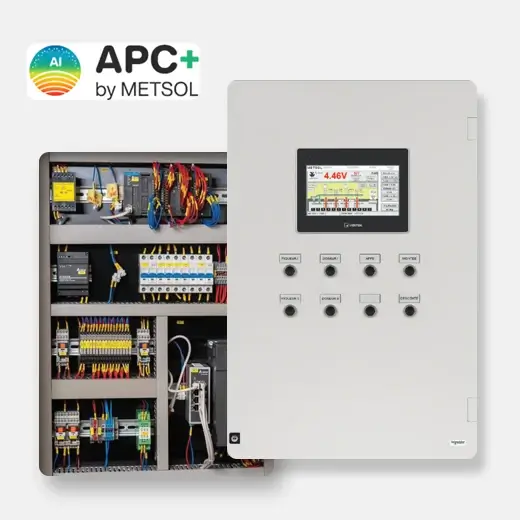
Modernises pot control on existing potlines, turning legacy control systems into intelligent, data‑driven assets. Directly reduces anode effects, lowering both Scope 1 PFC emissions and Scope 2 energy-related emissions.
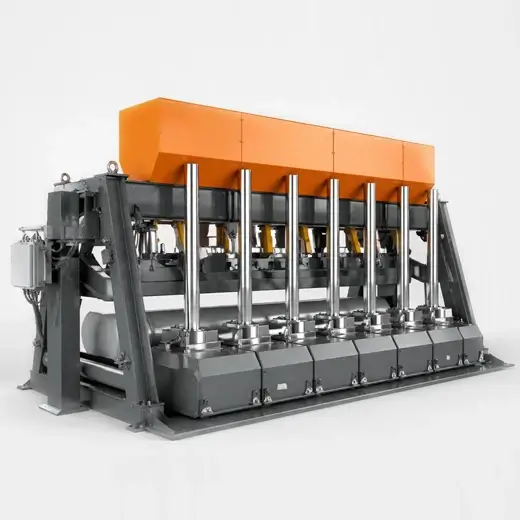
Enhances alumina distribution and pot stability in retrofit applications. Reduces local depletion and anode-effect risk, contributing to lower PFC emissions and improved energy efficiency without structural changes.
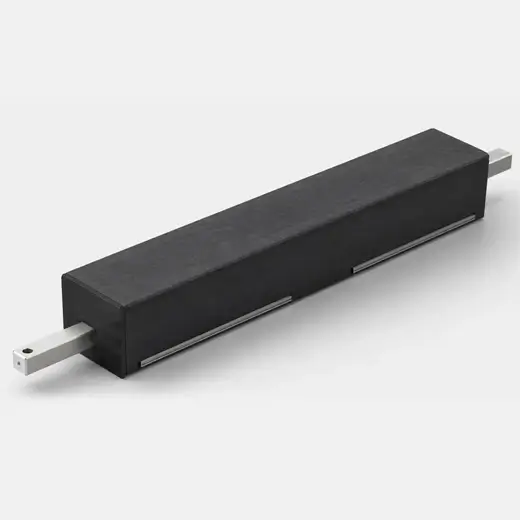
Upgrades cathode performance at reline, reducing resistive losses and extending pot life. Delivers sustained energy savings and a lower carbon footprint over the full cathode lifecycle.